





Understanding NFPA 70B’s New Requirements for Electrical Maintenance
C&H Electric helps Connecticut’s commercial & industrial facilities protect people, operations, and compliance with proactive Electrical Maintenance Plans and compliance services.
In the 2023 edition of NFPA 70B, the term Electrical Maintenance Program (EMP) refers to the formal, documented system every facility must establish to manage the maintenance of its electrical equipment.
NFPA 70B Section 4.1.1 defines an EMP as:
“A managed, documented system that outlines policies, procedures, and responsibilities for maintaining electrical equipment to ensure safety, reliability, and compliance.”
Simply put, an EMP is the written playbook for how your facility maintains the integrity of its electrical systems. It’s the maintenance counterpart to an NFPA 70E safety program.
A compliant EMP is no longer optional.
Insurance providers, OSHA inspectors, and AHJs are now looking for documented evidence that your facility:
Has an established electrical maintenance program in place.
Maintains systems according to defined schedules and procedures.
Trains and qualifies personnel per NFPA 70E.
Without this documentation, facilities risk:
Compliance violations under OSHA 1910 Subpart S
Increased insurance premiums or claim denials
Greater likelihood of unplanned failures or fires
Define which systems and assets fall under your EMP. From switchgear and distribution panels to transformers and critical process equipment. Outline measurable objectives for the program, such as maintaining uptime, reducing failure rates, improving safety, and ensuring compliance with NFPA and OSHA standards.
Assign clear ownership for each aspect of the program. Specify who is responsible for inspections, testing, corrective actions, documentation, and program oversight. This section ensures accountability across management, maintenance teams, and qualified electrical workers, preventing gaps in execution.
Establish inspection and testing intervals based on the criticality, condition, and operating environment of each asset. Include timelines for infrared thermography, breaker testing, torque verification, and cleaning. A structured schedule helps balance proactive maintenance with operational demands that dramatically reduce the risk of unplanned downtime.
Provide written maintenance procedures, test methods, and recordkeeping templates. Documentation should cover what is inspected, who performed the work, what results were observed, and what corrective actions were taken. This written evidence is what auditors, insurers, and safety regulators will request during compliance reviews.
Ensure all personnel performing or supervising electrical work are trained and qualified under NFPA 70E standards. Training should cover safe work practices, PPE selection, hazard identification, and equipment-specific procedures. Competence is essential not only for safety, but also for ensuring maintenance tasks are performed correctly and consistently.
Define how electrical equipment health is evaluated and tracked over time. Common diagnostic tools include infrared thermography, ultrasonic testing, partial discharge monitoring, and insulation resistance testing. These technologies identify early-stage degradation, allowing for corrective actions before failures occur.
Set a defined review cycle (typically annually) to evaluate EMP performance, update procedures, and integrate lessons learned. Tracking metrics such as equipment reliability, downtime events, and maintenance effectiveness helps drive ongoing improvement and compliance alignment.

We begin with a detailed on-site evaluation to verify labeling accuracy, assess equipment condition, and understand your electrical system layout.
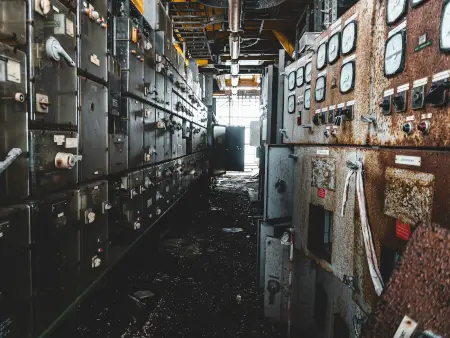
Our engineers analyze test data and system documentation to pinpoint where the greatest electrical hazards or maintenance gaps exist — from aging switchgear to overloaded circuits.

You receive a comprehensive maintenance program with clear corrective actions, inspection schedules, and documentation to meet NFPA 70E and OSHA standards.
Electrical systems degrade with time, and every system change introduces new hazards. A maintenance plan is the most cost-effective way to prevent failures.
Find out exactly where your electrical vulnerabilities are — and what it takes to eliminate them.