Quinnipiac University 2026 Summer Renovations

Location

Hamden, CT

Owner

Quinnipiac University

Industry

Education

Completion Date

August 2026

General Contractor

FIP Construction

Project Background

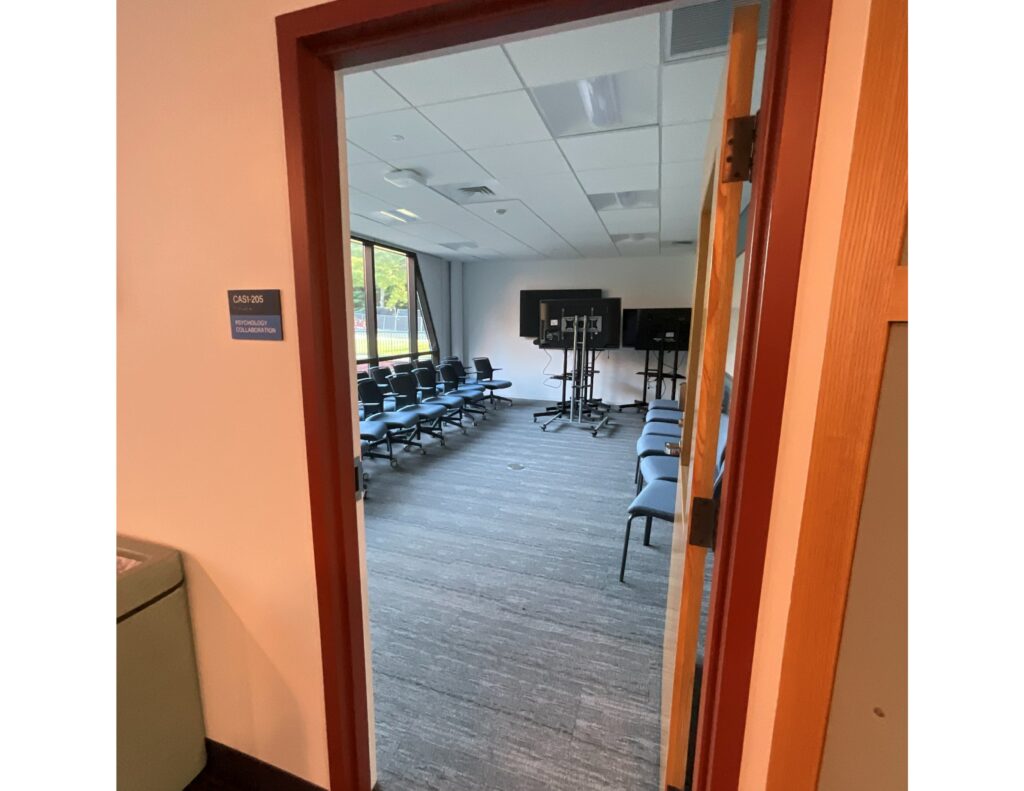
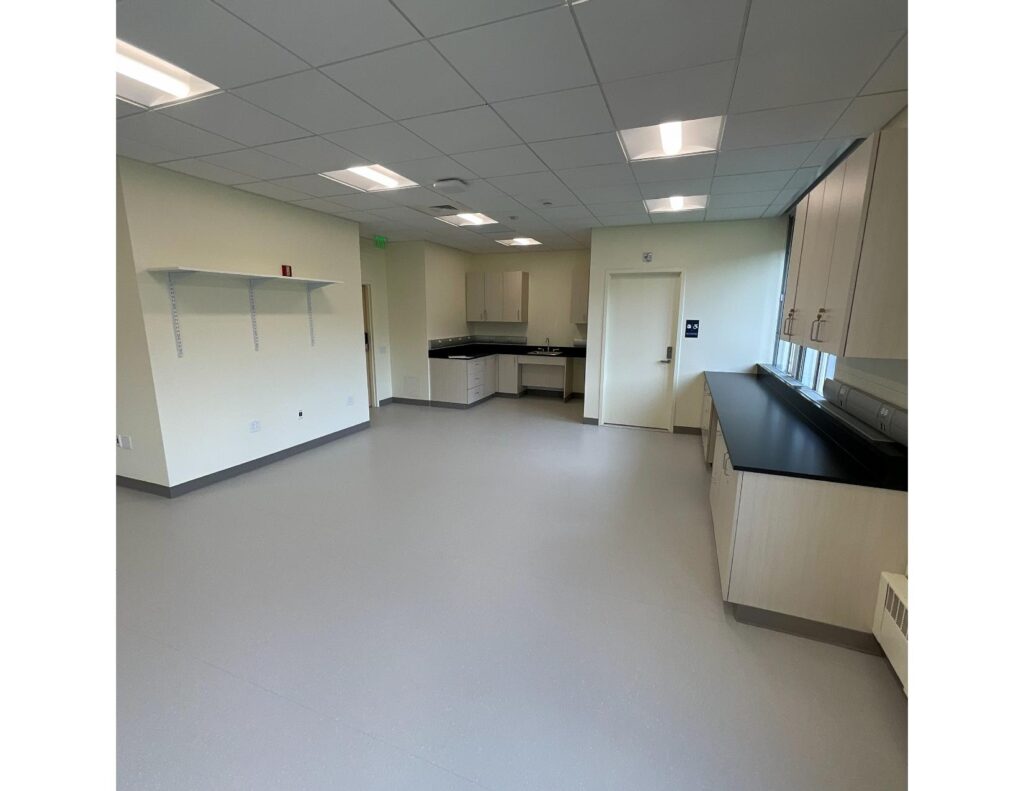
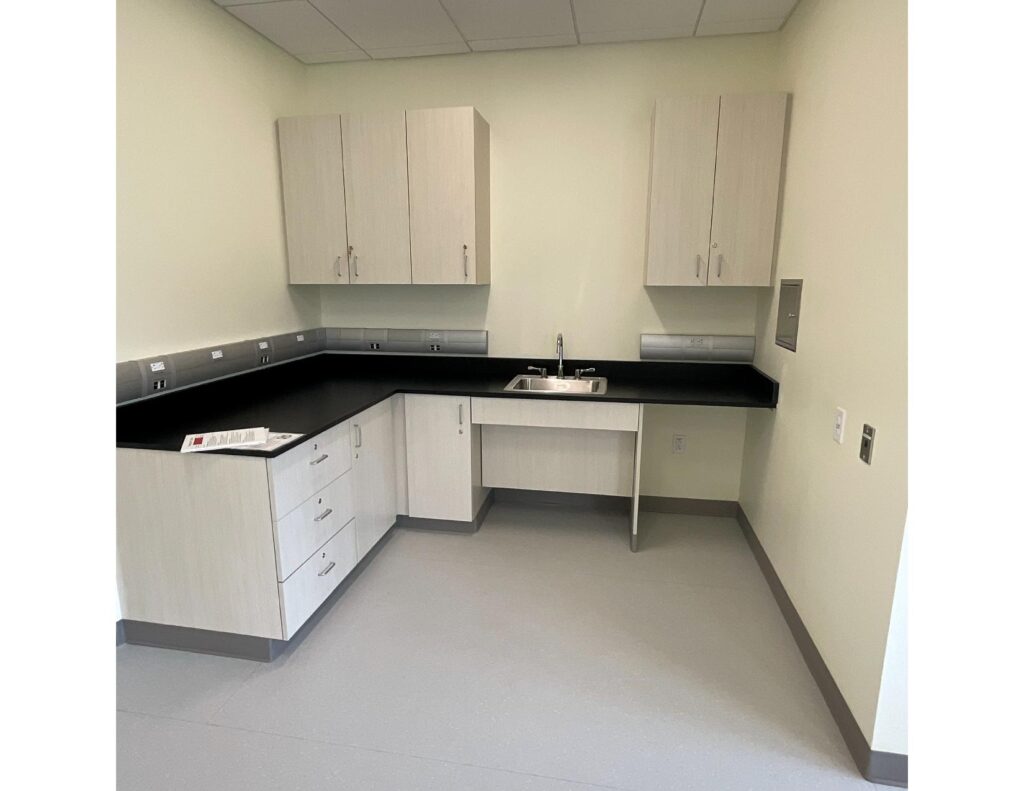
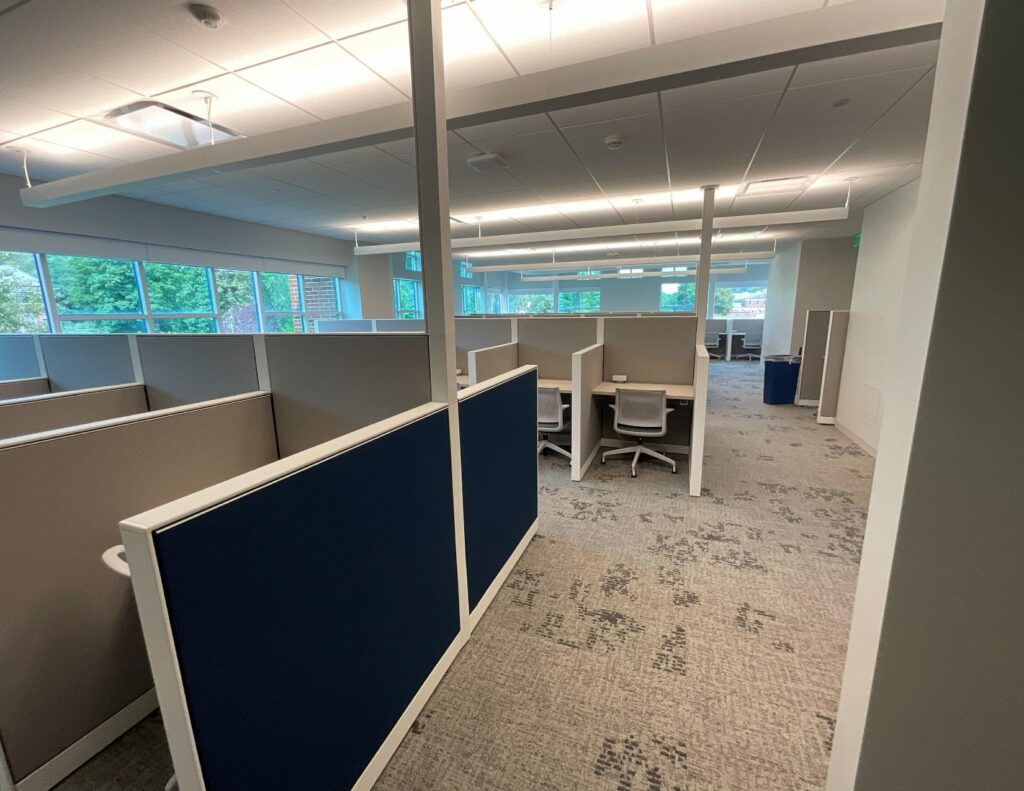
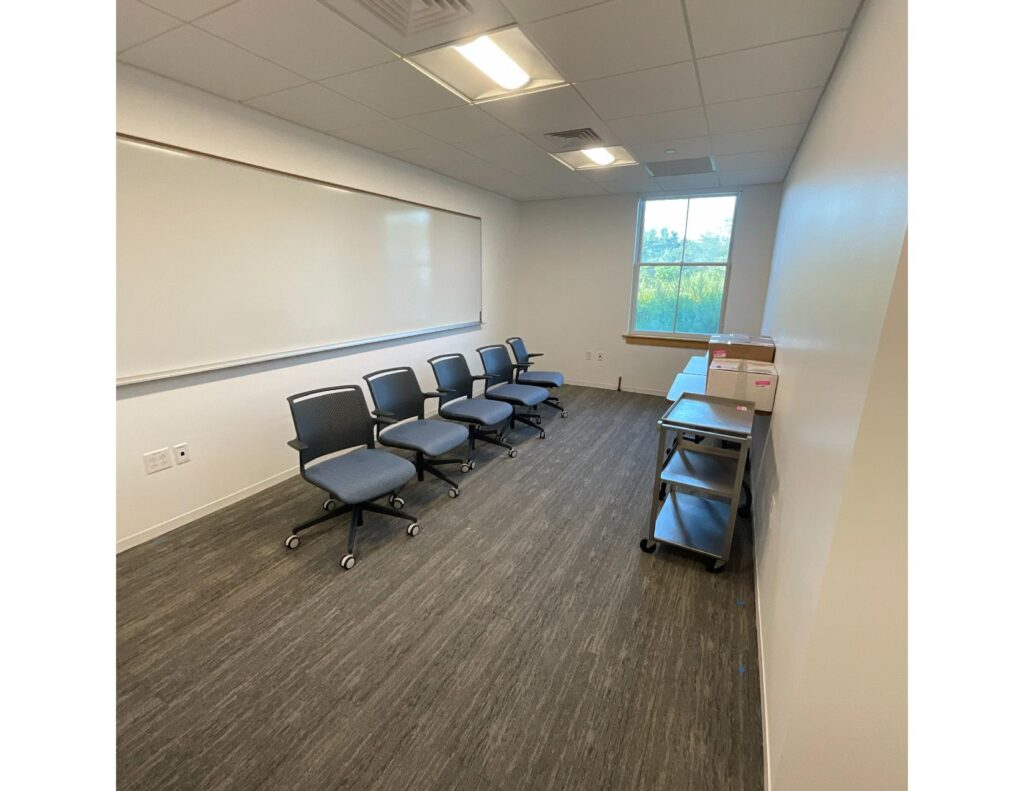
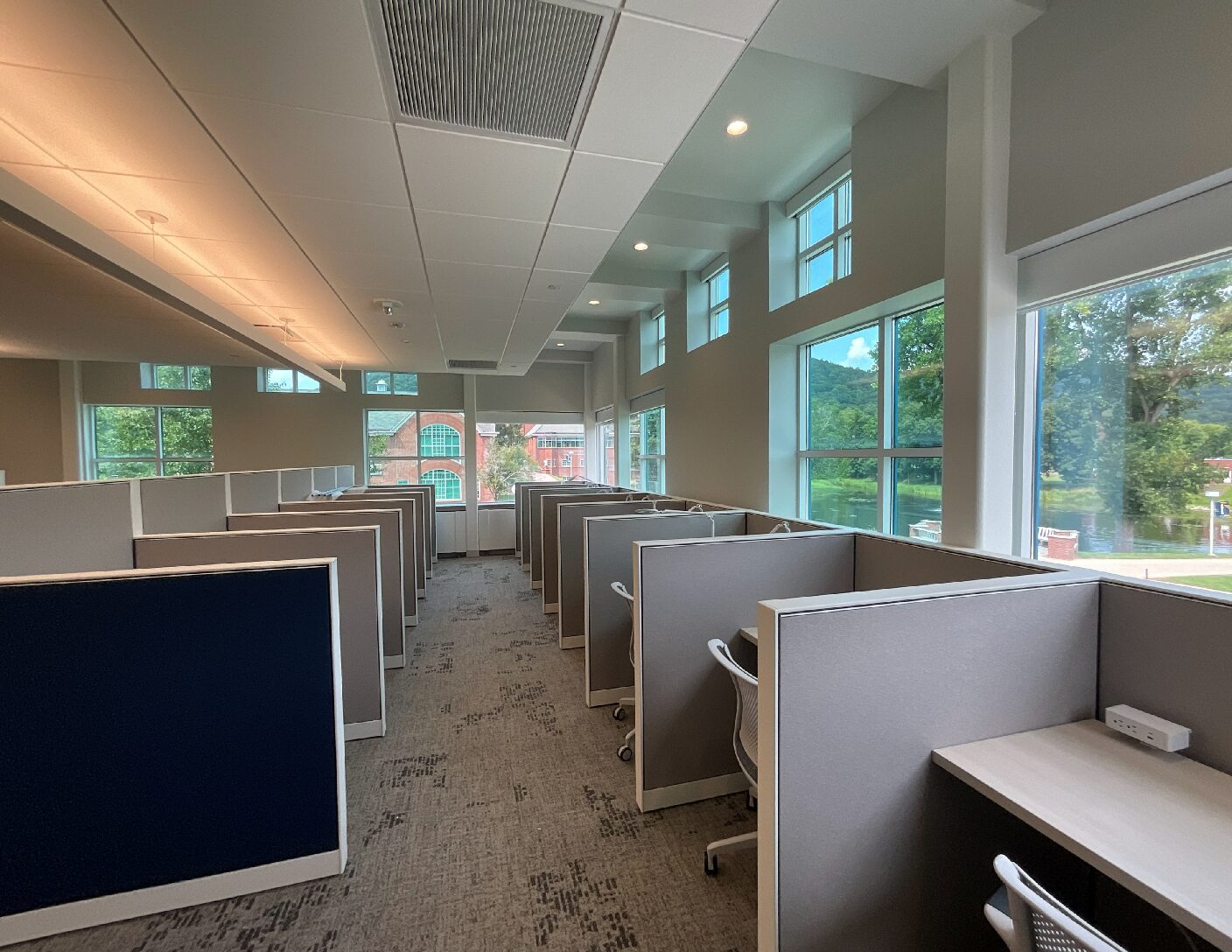
During the summer construction window, C&H Electric was engaged by Quinnipiac University to deliver electrical renovation scopes across three site buildings on campus: the QU Echlin Testing Center, the QU CAS-1 Psychology Building, and the QU Tator Building. Operating within compressed timelines dictated by the academic calendar, C&H Electric executed comprehensive electrical improvements across all three buildings, encompassing power distribution infrastructure, lighting and lighting control systems, and fire and life safety systems. Each project was managed with disciplined coordination, quality oversight, and documentation control, ensuring full compliance with project specifications, seamless scheduling across all three site buildings, and successful completion ahead of the University’s fall semester return.

Execute complete electrical engineering project life cycle activities, including design review, equipment selection, installation, testing, commissioning, and project handover, while managing power distribution systems, switchgear, transformers, motor control centers (MCCs), protective relays, and control systems in accordance with applicable standards and specifications. Coordinate with multidisciplinary teams, contractors, vendors, and key stakeholders to ensure safe, efficient, and timely project execution. Oversee electrical construction, quality assurance, troubleshooting, system integration, and performance validation to maintain operational reliability and system integrity. Ensure compliance with NEC, NFPA, IEEE, and all relevant safety and regulatory requirements while optimizing project cost, schedule, quality, and overall technical performance.

The Challenges

One of the most significant logistical challenges on this multi-site engagement was the lack of dedicated job boxes at each individual site to store electrical materials and tools across the projects. To address this, the team rented a 20′ Connex container and positioned it in the construction parking lot.

While the container’s location was convenient for the Echlin and Tator buildings, the CAS-1 site required a 6–7 minute walk one way. Manually carrying materials, tools, and equipment back and forth over that distance was physically demanding and mentally taxing for the crew, creating a recurring inefficiency that threatened to erode productive labor hours across all three job sites.

The Solution

To address this challenge, the site foreman implemented the use of bicycles to reduce travel time between the container and each active work area, with team members Max Fusco and Justin Barney quickly adopting the same approach. The team also secured approval to purchase a four-wheel cart, enabling the efficient transport of materials and equipment across the parking lot’s uneven, rock-strewn surface.

Together, the bicycles and tow-behind cart formed a practical, low-cost solution that sustained labor productivity across all three sites, keeping the team on schedule despite the physical distance separating the job locations.

The Results

Despite the logistical challenges posed by a shared, off-site material staging area across three geographically dispersed buildings, all three projects – QU Echlin Testing Center, QU CAS-1 Psychology Building, and QU Tator Building – were delivered on schedule, meeting the critical deadline required for the University’s fall semester return.

Proactive problem-solving, including the use of bicycles and a tow-behind cart, allowed the team to maintain cost control by recovering labor hours that would otherwise have been lost to travel inefficiencies, avoiding costly schedule overruns. Throughout execution, the team maintained a zero-safety incident record across all three sites, reflecting strong field discipline despite the added logistical complexity. All electrical work passed inspections and received sign-off without rework or delay, supporting a seamless turnover to university operations ahead of the semester start. As a result, Quinnipiac University was able to open all three renovated facilities on schedule, with electrical systems fully operational and ready to support campus activities without disruption.